This game · 132 FGA|Season model · 357 games · 48,742 shots
Atlanta Dream won by getting the better shots.

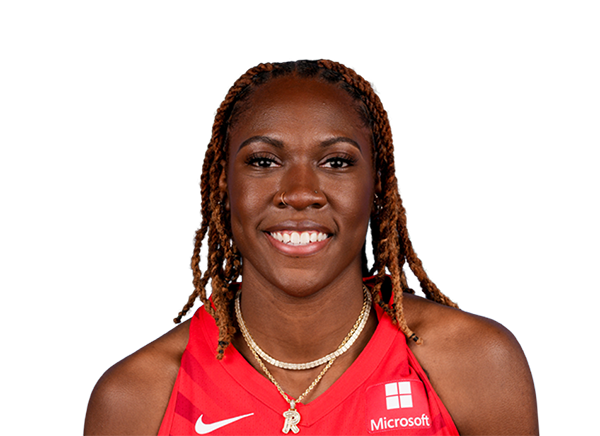
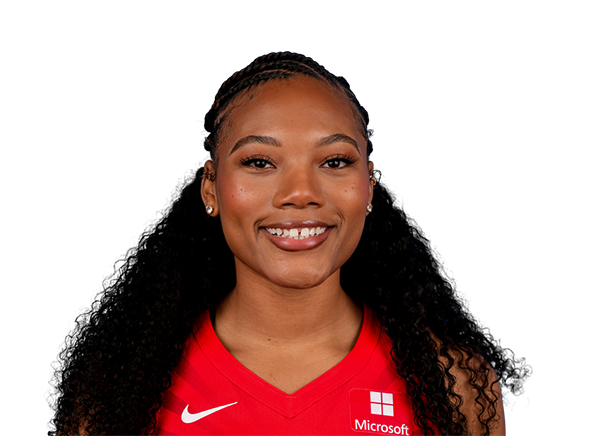
led the way with 17 points on 6-for-11 (55%), headlined by 3-for-3 at the rim — 2.3 more than expected overall on a night most other looks were tougher, with Te-Hina Paopao close behind (+2.6 on 7 points).
- Atlanta Dream created 12.3 more expected points from field-goal attempts.
- Indiana Fever outperformed expected value by 19.5 points on finishing.
- Q2 swung the look battle — Atlanta Dream built a +4.6 expected-point edge in that period.
Shot quality
Shot diet
Atlanta Dream got the cleaner diet — 45% rim or corner looks vs 25% for Indiana Fever.

carried the offense at the rim — 3/4 in the restricted area.
This is where the shot diets diverged most — 42% of Atlanta's attempts came from the rim vs 22% of Indiana's, with Atlanta leaning on the higher-value zone (42% vs 22%).


This is where the shot diets diverged most — 42% of Atlanta's attempts came from the rim vs 22% of Indiana's, with Atlanta leaning on the higher-value zone (42% vs 22%).





Possession context
ATL ran more early offense in this game.
Atlanta Dream got 33% of FGA in transition (1.02 expected pts/att) vs 14% for Indiana Fever (0.85 expected pts/att).
Inferred from ESPN play-by-play — transition, steals, and offensive rebounds before each FGA. Not official possession tracking.
Process scorecard
Full process edge
Atlanta Dream won by 17.1 pts
Atlanta Dream won the turnover battle by 6 (18 total TO).
Turnovers never enter the shot log — a clean process win even when looks were even.
Tracked FGA
ESPN box score
Process value (pts)
Process total = expected pts from shots + finishing + free throws − turnover cost + second-chance value (1.05 expected pts per OReb). SQ edge alone ignores the last three terms.
Player shots
Key insightClark's strongest zone was Rim — 75% from Rim (3/4) vs. a 58% expectation.
Expected value is an estimate from public shot data — location, shooter history, and shot clock. No defender distance, closeout speed, spacing, or proprietary tracking.
Learn how it works →