This game · 132 FGA|Season model · 357 games · 48,742 shots
Golden State Valkyries won by getting the better shots.

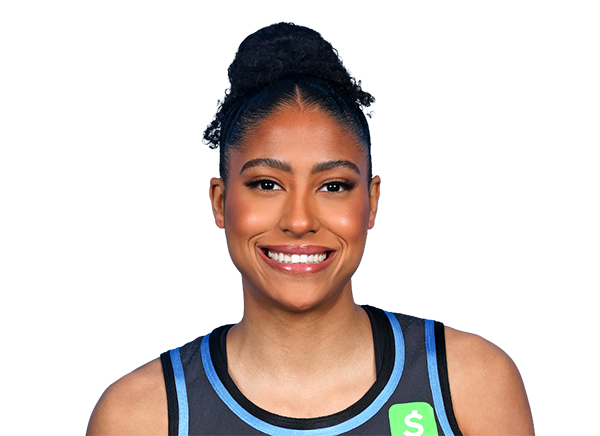
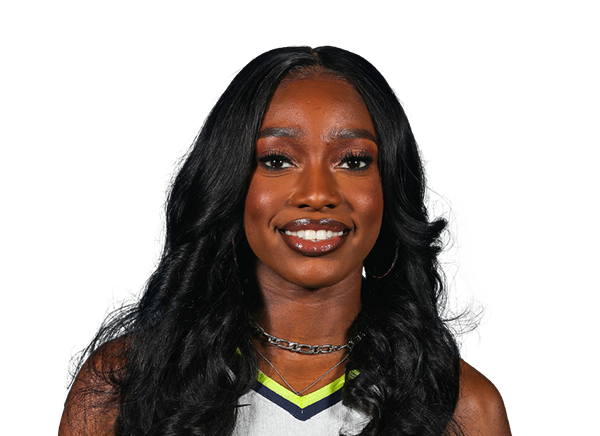
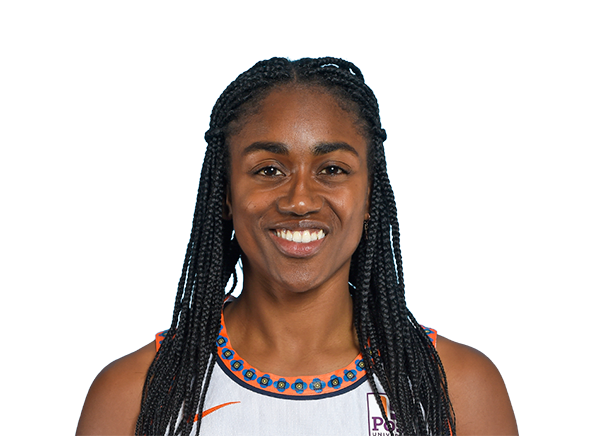
led the way with 11 points on 4-for-7 (57%), headlined by 2-for-2 from above the break — 3.8 more than expected overall on a night most other looks were tougher, with Tiffany Hayes close behind (+4.4 on 10 points).
- Golden State Valkyries created 7.8 more expected points from field-goal attempts.
- Both teams finished below expectation — Golden State Valkyries held up better (5.6 pts below expected).
- Q1 swung the look battle — Golden State Valkyries built a +5.5 expected-point edge in that period.
Shot quality
Shot diet
Golden State Valkyries (16% good looks) and Seattle Storm (8% good looks) ran comparable diets with small zone-by-zone differences.

bailed out the offense from the midrange — 2/3 from short midrange, a zone most players avoid for good reason.
This is where the shot diets diverged most — 38% of Seattle's attempts came from above-arc threes vs 32% of Golden State's; Seattle tilted here more (38% vs 32%).



This is where the shot diets diverged most — 38% of Seattle's attempts came from above-arc threes vs 32% of Golden State's; Seattle tilted here more (38% vs 32%).
Possession context
Inferred from ESPN play-by-play — transition, steals, and offensive rebounds before each FGA. Not official possession tracking.
Process scorecard
Full process edge
Golden State Valkyries won by 17.1 pts
Golden State Valkyries won the turnover battle by 6 (18 total TO).
Turnovers never enter the shot log — a clean process win even when looks were even.
Tracked FGA
ESPN box score
Process value (pts)
Process total = expected pts from shots + finishing + free throws − turnover cost + second-chance value (1.05 expected pts per OReb). SQ edge alone ignores the last three terms.
Player shots
Key insightCharles struggled most from S.Mid — 0/2 against a 40% baseline.
Expected value is an estimate from public shot data — location, shooter history, and shot clock. No defender distance, closeout speed, spacing, or proprietary tracking.
Learn how it works →