This game · 126 FGA|Season model · 357 games · 48,742 shots
Golden State Valkyries won on finishing, not shot quality.
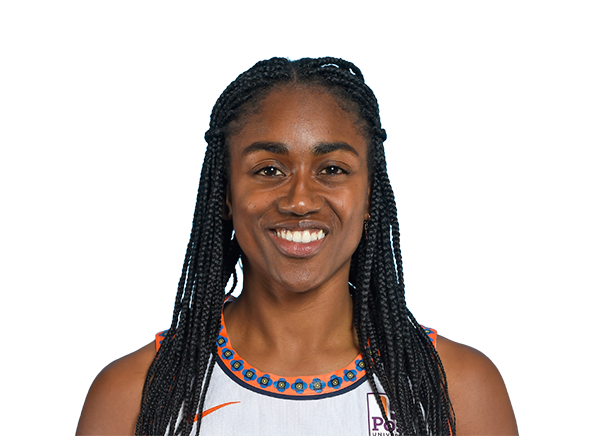
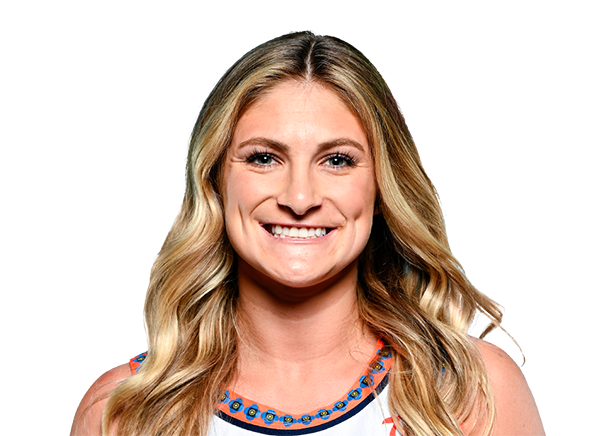
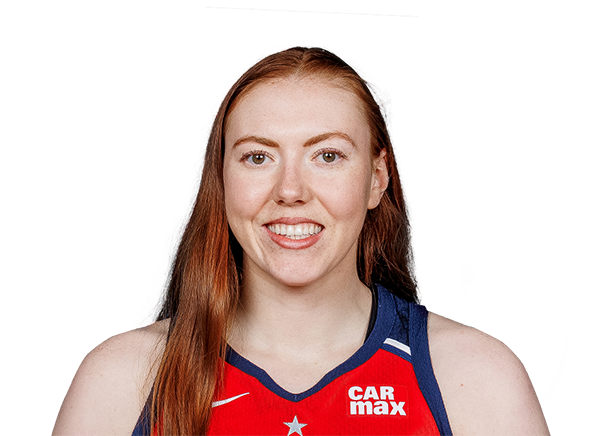
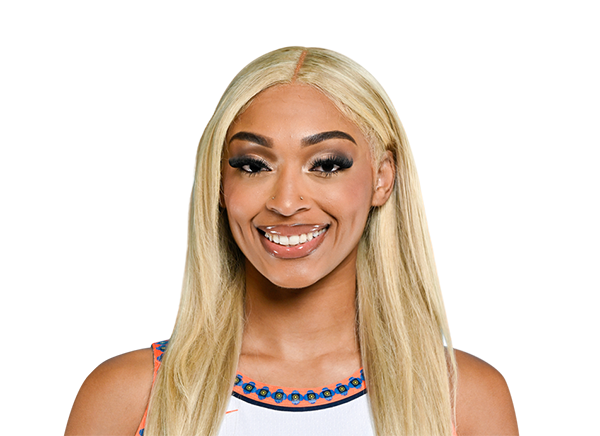
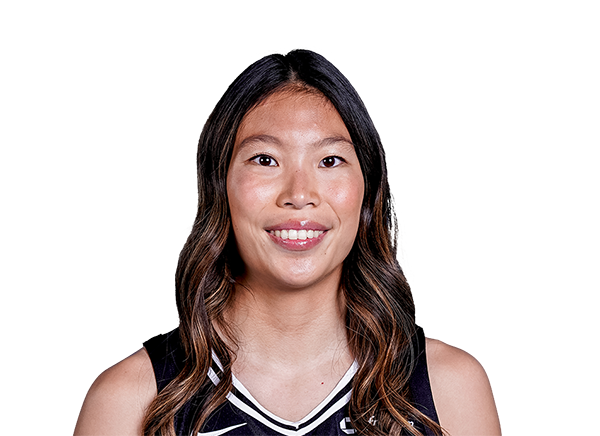
led the way with 22 points on 8-for-11 (73%), headlined by 6-for-6 at the rim — 5.2 more than expected overall with 55% of attempts from the rim or corner, with Veronica Burton close behind (+4.8 on 13 points).
- Chicago Sky created 0.2 more expected points from field-goal attempts.
- Golden State Valkyries outperformed expected value by 10.9 points on makes and misses.
- The game flipped in the fourth quarter — Chicago Sky created a +7.1 expected-point edge in Q4.
Shot quality
Shot diet
Golden State Valkyries (25% good looks) and Chicago Sky (33% good looks) ran comparable diets with small zone-by-zone differences.
carried the offense at the rim — 6/6 in the restricted area.
This is where the shot diets diverged most — 29% of Chicago's attempts came from the rim vs 24% of Golden State's, with Chicago leaning on the higher-value zone (29% vs 24%).


This is where the shot diets diverged most — 29% of Chicago's attempts came from the rim vs 24% of Golden State's, with Chicago leaning on the higher-value zone (29% vs 24%).

Possession context
Inferred from ESPN play-by-play — transition, steals, and offensive rebounds before each FGA. Not official possession tracking.
Process scorecard
Full process edge
Golden State Valkyries won by 28.0 pts — SQ edge said CHI.
Chicago Sky got the better looks, but Golden State Valkyries won the full process battle by 28.0 pts.
Process edge blends expected points from shots, finishing, free throws, turnover cost, and second-chance value — not just who found the better offense.
Tracked FGA
ESPN box score
Process value (pts)
Process total = expected pts from shots + finishing + free throws − turnover cost + second-chance value (1.05 expected pts per OReb). SQ edge alone ignores the last three terms.
Player shots
Key insightCharles's strongest zone was Paint — 67% from Paint (2/3) vs. a 41% expectation.
Expected value is an estimate from public shot data — location, shooter history, and shot clock. No defender distance, closeout speed, spacing, or proprietary tracking.
Learn how it works →